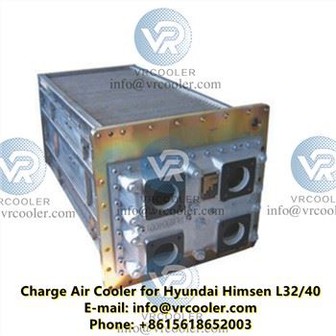
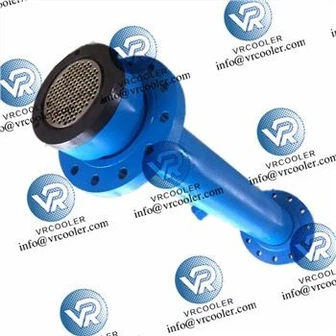
Biogas Generator Set Radiators (Common Dry Coolers / High- And Low-Temperature Air-Cooled)

(Typically Dry-Type Air Coolers / Separate High- and Low-Temperature Cooling)

Biogas is highly humid, corrosive, and contains many impurities. Therefore, radiator designs prioritize corrosion resistance, clog prevention, and separate high- and low-temperature cooling. In engineering practice, dry-type air coolers are almost exclusively used, and water cooling towers are not employed.

High-Temperature Circuit (HT)

Temperature: 85–95℃

Low-Temperature Circuit (LT)

Temperature: 55–70℃

Function: Lowers intake air temperature, protects engine oil, and stabilizes the air-fuel ratio

Each circuit is equipped with a dedicated heat exchanger, collectively referred to as high- and low-temperature dry coolers.

Biogas contains H₂S and water vapor, which are highly corrosive; fins and piping must be corrosion-resistant.

Biogas contains many impurities, and cooling fins are prone to clogging; the design must facilitate water washing and air blowing.

Biogas calorific value fluctuates significantly; unstable temperatures in the low-temperature circuit directly affect power output and exhaust temperature.

Ethylene glycol antifreeze is commonly used to prevent pipe bursts due to freezing.


Biogas Generator Set Radiators (Typically Dry-Type Air Coolers / Separate High- and Low-Temperature Cooling) Biogas is highly humid, corrosive, and contains many impurities. Therefore, radiator designs prioritize corrosion resistance, clog prevention, and separate high- and low-temperature cooling. In engineering practice, dry-type air coolers are almost exclusively used, and water cooling towers are not employed.  To ensure efficiency and longevity, biogas engines generally employ two independent cooling systems: High-Temperature Circuit (HT) Cooling: Cylinder liner water, engine block Temperature: 85–95°C Function: Prevents engine overheating and maintains stable thermal efficiency Low-Temperature Circuit (LT) Cooling: Intercooled air, engine oil, biogas preheater Temperature: 55–70°C Function: Lowers intake air temperature, protects engine oil, and stabilizes the air-fuel ratio Each circuit is equipped with a dedicated heat exchanger, collectively referred to as high- and low-temperature dry coolers.  Differences from Radiators in Conventional Diesel/Natural Gas Engines Enhanced Corrosion Resistance Biogas contains H₂S and water vapor, which are highly corrosive; fins and piping must be corrosion-resistant. Easier to Clean Biogas contains many impurities, and cooling fins are prone to clogging; the design must facilitate water washing and air blowing. Stricter Temperature Control Biogas calorific value fluctuates significantly; unstable temperatures in the low-temperature circuit directly affect power output and exhaust temperature. Winter Freeze Protection Ethylene glycol antifreeze is commonly used to prevent pipe bursts due to freezing.

당신은 또한 좋아할지도 모릅니다

문의 보내기