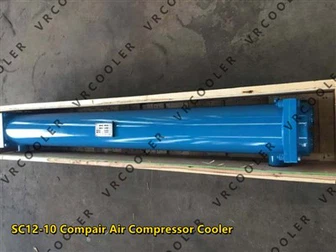
High-temperature section dry cooler: Handling high-temperature waste heat, generally using air or water as the cooling medium. The high-temperature section of the dry cooler can cool the high-temperature gas to the medium temperature range and is usually used for the primary cooling of the turbine exhaust.
Low-temperature dry coolers: Handle medium-temperature waste heat that has already been cooled in the primary cooling stage, and further reduce the temperature to a range close to the ambient temperature. Low-temperature dry coolers generally use ambient air as the cooling medium to achieve the final cooling effect.

The high and low temperature dry cooler cools down the high temperature waste gas gradually through phased cooling, avoiding the waste of energy and equipment loss brought about by one-time drastic cooling. The specific working principle is as follows:
High-temperature section cooling:
High-temperature exhaust gas first enters the high-temperature section of the dry cooler, where the temperature is lowered to the medium temperature range through heat exchange with the cooling medium (e.g. air or water).
The medium-temperature exhaust gases continue to enter the low-temperature section of the dry cooler, where they are again exchanged with the ambient air and further cooled down to the temperature level required for discharge or reuse.